How to Tell When Your Lawn Needs Aeration
If your lawn shows signs like compacted soil, thinning grass, or water pooling, local contractors can assess and perform aeration to improve lawn health.
Understanding when your lawn needs aeration is essential for maintaining a healthy, lush yard. Property owners in the area often notice signs like compacted soil, thinning grass, or areas where water tends to pool after rainfall. Recognizing these indicators early can help prevent more serious issues down the line. If these common signs sound familiar, it’s worth exploring how professional lawn aeration services can address these concerns effectively. Local contractors who specialize in aeration can assess your yard’s specific needs and recommend the best approach to keep your lawn thriving.
Keeping an eye on your lawn’s condition is a practical way to determine if aeration might be beneficial. Persistent thatch buildup, uneven growth, or difficulty in maintaining a vibrant green color are often clues that the soil needs to be perforated to improve air, water, and nutrient penetration. Property owners who experience these issues may find that working with experienced service providers can make a noticeable difference. These local experts understand the unique needs of yards in the area and can provide tailored solutions to help your lawn recover and flourish.
- Common Projects - Lawn aeration services are often needed when soil compaction prevents healthy root growth, and local contractors assess soil condition to determine the best approach.
- Common Projects - If a lawn shows signs of thinning or uneven growth, local pros can evaluate whether aeration will improve soil health and grass density.
- Common Projects - When thatch buildup becomes excessive, local service providers use aeration to help break it down and promote better nutrient absorption.
- Common Projects - Lawn aeration is recommended when water or fertilizer tends to runoff rather than absorb, and local contractors can identify these drainage issues.
- Common Projects - If the lawn experiences persistent puddling or drainage problems, local pros can perform aeration to improve soil porosity and water movement.
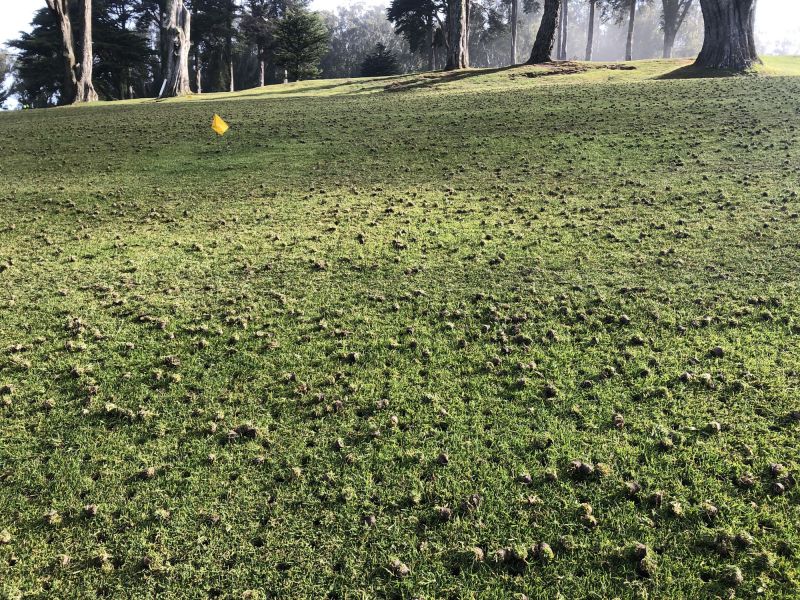
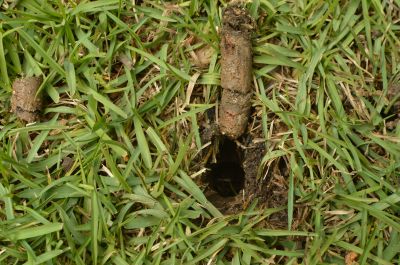
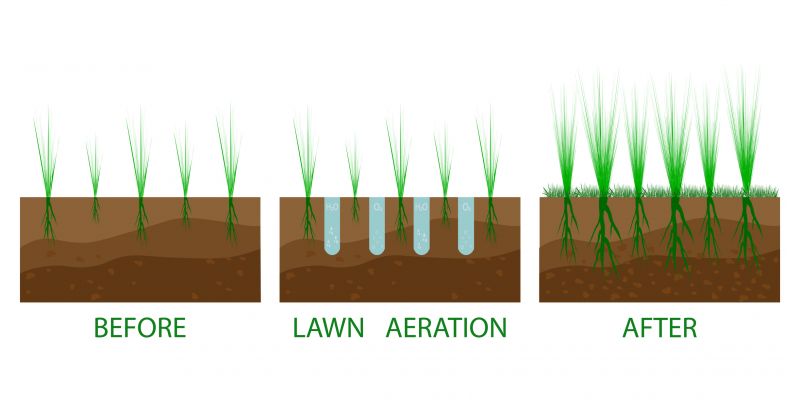
Understanding when a lawn needs aeration is a common concern for homeowners aiming to maintain a healthy, lush yard. Typically, people searching for this topic want to identify signs that their soil has become compacted or that their grass is struggling to grow as it should. These signs often relate to issues like poor drainage, thin or patchy grass, or areas that feel unusually hard or crusty underfoot. Recognizing these symptoms helps homeowners plan for aeration as part of their lawn care routine, ensuring that the soil remains loose enough for air, water, and nutrients to reach the roots effectively.
The problems associated with neglected lawns that need aeration often include soil compaction, poor root development, and increased thatch buildup. These issues can hinder grass growth, making lawns more vulnerable to weeds, drought, and disease. Homeowners with plans to improve their yard’s overall health or to prepare for new seed or sod installations frequently consider aeration as a key step. Whether the goal is to revive a tired lawn or to prevent future problems, understanding how to tell when aeration is needed helps ensure timely intervention, which local service providers can handle efficiently.
Certain types of properties tend to experience these issues more frequently. Lawns that receive heavy foot traffic, such as those in busy residential neighborhoods or multi-family complexes, are more prone to soil compaction. Properties with clay-heavy soil or those situated in areas with poor drainage may also show signs of needing aeration sooner. Additionally, lawns that have been overseeded or fertilized extensively might develop thatch buildup, making aeration an important part of ongoing maintenance. Recognizing these property types and their common challenges can help homeowners determine whether their yard could benefit from professional aeration services.
Knowing how to tell when a lawn needs aeration connects directly to the health and appearance of the yard. Homeowners should look for indicators like water pooling after rain, grass that feels spongy or spongy underfoot, or areas where grass has become thin or patchy. If the soil feels hard or if the grass struggles to recover after drought or heavy use, these are signs that aeration could improve soil conditions. Local contractors specializing in lawn aeration can assess these symptoms and recommend the right approach, helping to restore the yard’s vitality. Proper timing and professional assistance ensure that aeration effectively addresses underlying soil issues, leading to a healthier, more resilient lawn.
Soil Testing Services - testing soil conditions helps determine if aeration is needed to improve soil health and prevent compaction issues, which local contractors can perform to assess lawn needs.
Overseeding Projects - overseeding requires proper soil preparation, and local service providers can combine aeration with overseeding to promote healthier grass growth.
Drainage Improvement Services - addressing drainage problems often involves aeration to alleviate soil compaction, with local pros able to evaluate and implement solutions.
Thatch Removal Services - removing excess thatch can benefit from aeration, as it helps improve air, water, and nutrient flow, with local contractors ready to assist.
Lawn Renovation Projects - lawn renovation often includes aeration as a key step to restore soil health and encourage new growth, performed by experienced local service providers.
Landscape Planning Services - planning for healthy turf involves understanding soil needs, and local pros can recommend aeration as part of overall lawn care strategies.
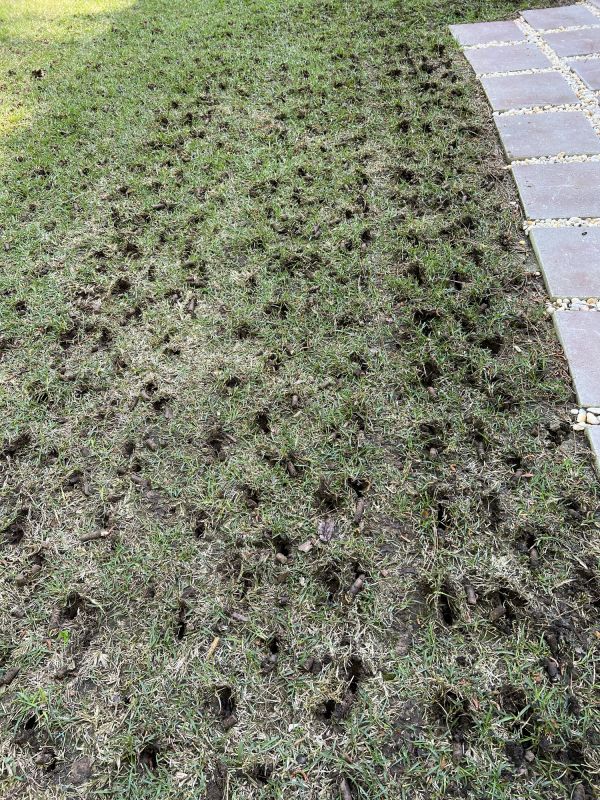
When comparing service providers for lawn aeration, it is important to consider their experience with similar projects. Homeowners should seek out local contractors who have a proven track record in performing aeration services, especially for lawns with conditions comparable to their own. Contractors with extensive experience are more likely to understand the nuances of different soil types and grass varieties, ensuring the work is done effectively and efficiently. Asking for references or examples of past projects can help gauge a provider’s familiarity with aeration and their ability to handle lawns with specific needs.
Clear written expectations are essential when choosing a lawn aeration service. Homeowners should look for providers who can offer detailed descriptions of their process, including what the service entails and what results to expect. This clarity helps prevent misunderstandings and ensures that both parties are aligned on the scope of work. Well-defined expectations also make it easier to compare different service providers, as each can be evaluated based on the transparency of their communication and the thoroughness of their explanations.
Good communication and reputable references are key indicators of a reliable service provider. Homeowners should prioritize local contractors who are responsive and willing to answer questions about their experience, methods, and previous work. Reputable references or reviews can provide insight into the consistency and quality of the service provider’s work. Open lines of communication help ensure that any concerns or specific lawn conditions are addressed promptly, leading to a smoother process and a more satisfactory outcome for the homeowner.
Property owners often search for how to tell when your lawn needs aeration when they are planning practical projects around their homes and businesses. Local pros provide Lawn Aeration services for everyday jobs and straightforward project options.
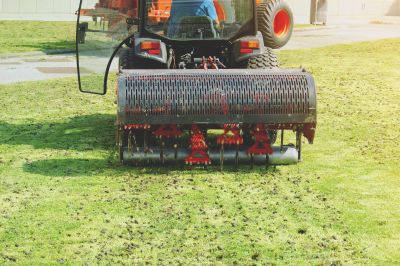
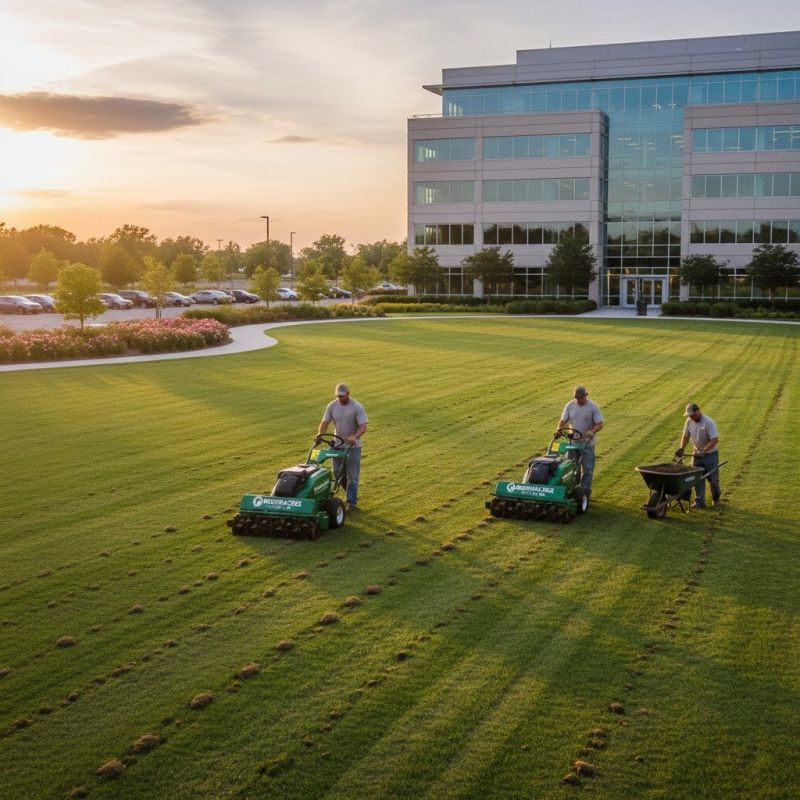
Understanding the signs that indicate your lawn may need aeration is a common concern for property owners looking to maintain healthy grass. If the lawn feels consistently compacted or experiences areas where water pools rather than soaking in, these could be indications that the soil has become too dense, restricting air, water, and nutrient movement. Additionally, if the grass appears thin, patchy, or struggles to recover after regular watering and fertilization, local contractors who specialize in lawn care services can assess whether aeration could improve its overall health and vitality.
Many property owners notice that their lawns develop a thatch buildup or feel spongy underfoot, which can hinder proper root growth. These issues often signal that the soil needs to be loosened to promote better airflow and nutrient absorption. When these common symptoms appear, it may be time to consider professional lawn aeration services. Local service providers can evaluate the specific condition of a yard and recommend appropriate solutions to help restore lush, healthy grass.
What are common signs that my lawn needs aeration? Signs include compacted soil, water pooling, and poor grass growth, which can indicate the need for aeration services from local contractors.
How can I tell if my lawn's soil is too dense? If water and nutrients have difficulty penetrating the soil or the grass appears stressed, it may be a sign that the soil is too dense and requires aeration by local service providers.
Are there visible indicators that suggest my lawn needs aeration? Yes, areas of thinning grass, moss growth, or bare patches can point to soil compaction, making it advisable to consult local pros for aeration.
What role does thatch buildup play in indicating the need for aeration? Excessive thatch can prevent air, water, and nutrients from reaching roots, signaling that professional aeration from local contractors might be necessary.
How does lawn health relate to the need for aeration? If your lawn shows slow recovery after mowing or watering, it could be a sign that aeration services from local pros can help improve soil conditions and overall health.
Soil compaction signs - noticing that your lawn feels hard or resistant when walking across it can indicate soil compaction, which local contractors can address with aeration services.
Thatch buildup - a thick layer of thatch may prevent water and nutrients from reaching the roots, making aeration a helpful solution offered by local pros.
Poor grass growth - patches of weak or thinning grass can signal the need for aeration to improve root development, which local service providers can assist with.
Water pooling issues - areas where water tends to puddle or drain slowly suggest compaction, and local contractors can perform aeration to enhance drainage.
If you are thinking about how to tell when your lawn needs aeration for a property, this guide is meant to help you understand this topic, the typical project types, and how different options might fit your plans.
When you are ready, you can use the quote form on this page to share a few details about your project. From there, local pros can review the basics and follow up with options that match what you have in mind.